
25 Easy RBT Therapy Activities for Kids That Work in Any Session
Registered Behavior Technicians need activities that set up fast, repeat easily, and flex to fit any learner.
The 25 ideas below cover matching, communication, social skills, daily living, and reinforcement systems.
Most use materials you already have in the therapy bag. Run them as written, or adjust the targets and prompts to match the BCBA’s treatment plan.
1. Color Sorting Activity
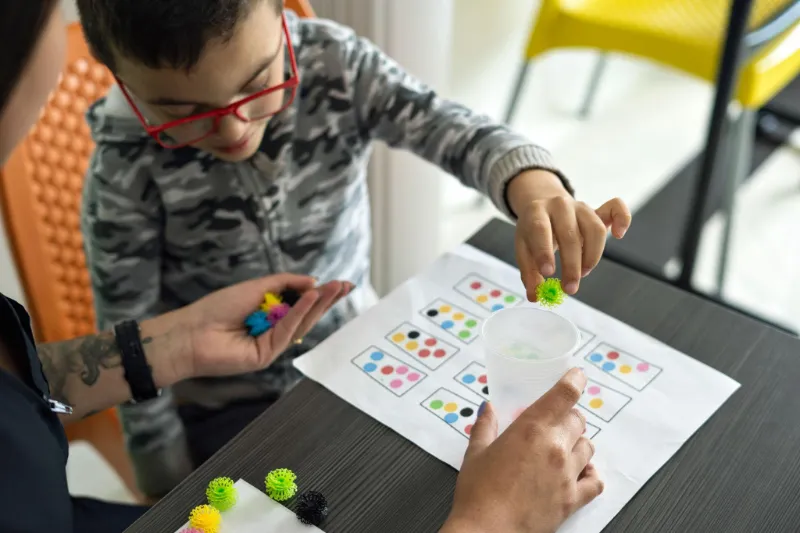
Color sorting builds early visual discrimination, one of the first skills many programs target.
Set out two or three containers, each marked with a color. Give the child a pile of matching pom poms, blocks, or bear counters.
Start with two colors that look very different, like red and blue. Add a third only after the child is accurate across a few sessions.
Use least-to-most prompting. Point, then gesture, then hand-over-hand if needed, and fade back as soon as they get it.
2. Shape Matching Activity
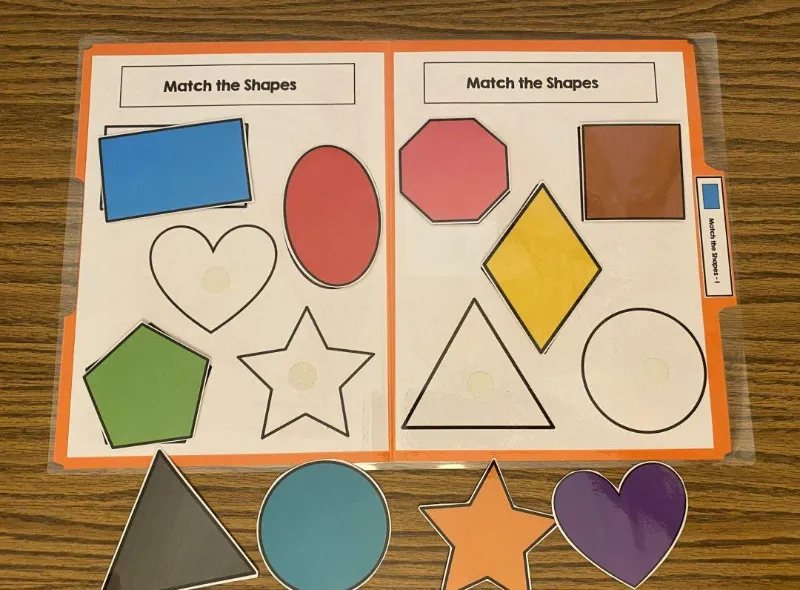
Shape matching moves discrimination past color and into form, which supports later letter and number work.
Place three shape outlines on the table and hand the child one shape at a time. Ask them to put it with the one that matches.
Foam shapes, magnetic tiles, and shape sorters all work. So does a laminated sheet with Velcro pieces.
Keep the field small at first. Two choices is plenty for a new learner, and you can build to five or six later.
3. Animal Matching Activity
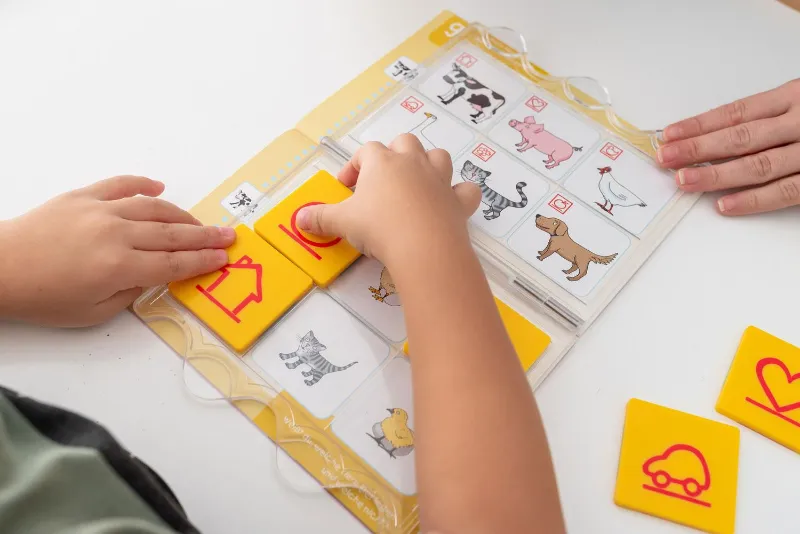
Animals hold attention better than abstract shapes, which makes this a good warm-up when a child is slow to engage.
Use identical pairs of animal figures or cards. Lay three out, hand the child a duplicate, and prompt them to match.
Pair the match with the animal name and sound. Many kids start labeling on their own after a few rounds.
4. Object-to-Picture Matching
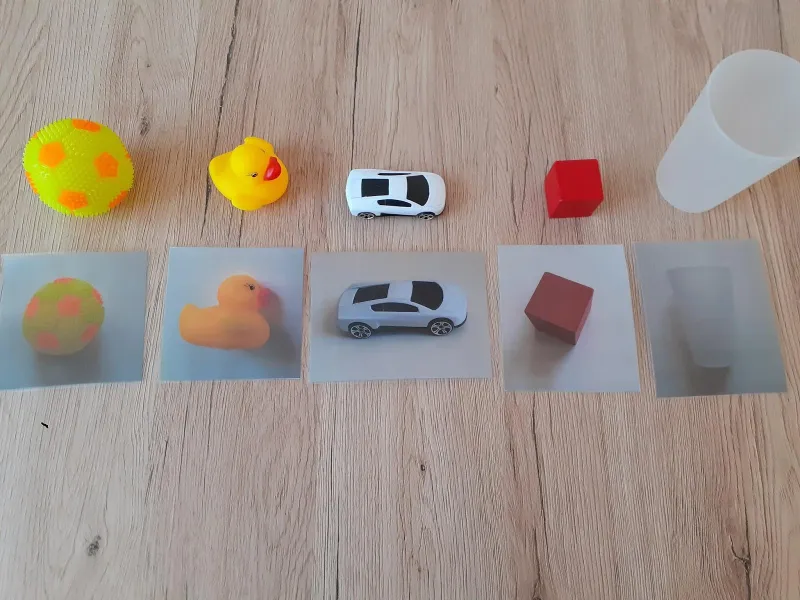
This bridges real objects and their two-dimensional representations, a skill that supports picture schedules and communication books.
Put out three photo cards. Hand the child a real object like a spoon, a cup, or a toy car, and ask them to place it on the matching card.
Take photos of the child’s own materials for the strongest connection. A picture of their actual cup beats a generic clip art cup.
5. Following One-Step Directions
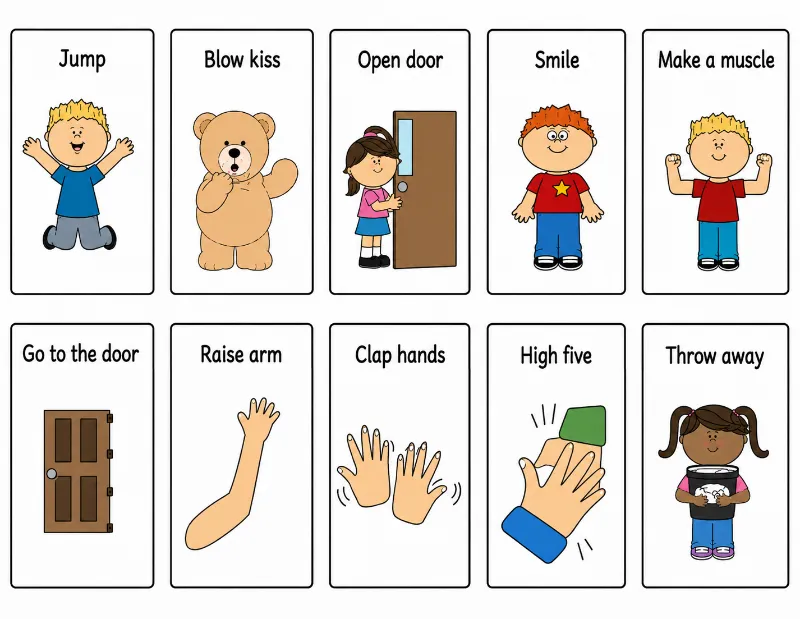
One-step directions are the foundation of instructional control and appear in almost every early program.
Start with motor actions the child can already do. Clap hands, stand up, touch your nose, give me the ball.
Deliver the instruction once, wait about three to five seconds, then prompt. Avoid repeating yourself, since that teaches the child to wait for the second ask.
Reinforce immediately. Fast, clear reinforcement is what makes this stick.
6. Following Two-Step Directions
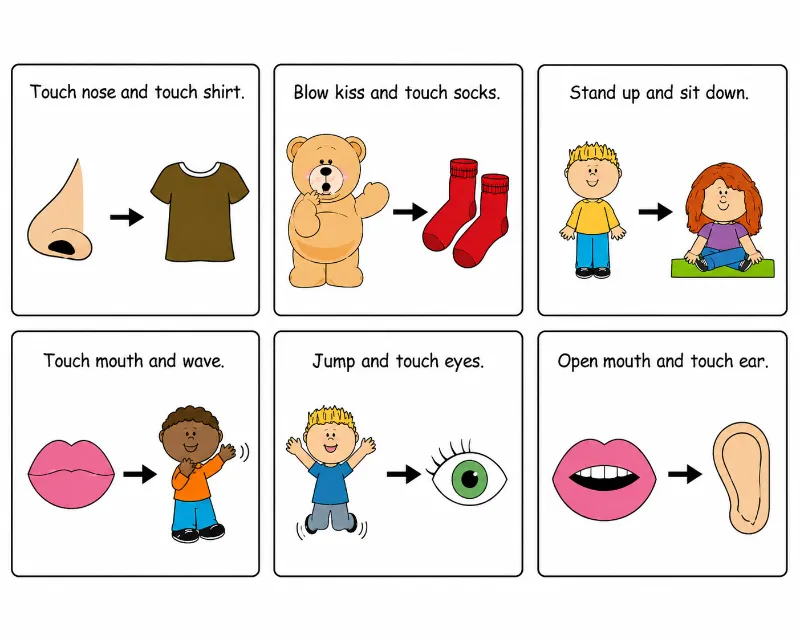
Once single directions are solid, chain two together to build working memory and sequencing.
Try simple pairs like stand up and turn around, or get the cup and put it in the bin. Keep both steps within the child’s existing skill set.
If they complete only the first step, back up and teach the sequence with a visual or a gestural prompt for step two.
7. Simon Says Activity
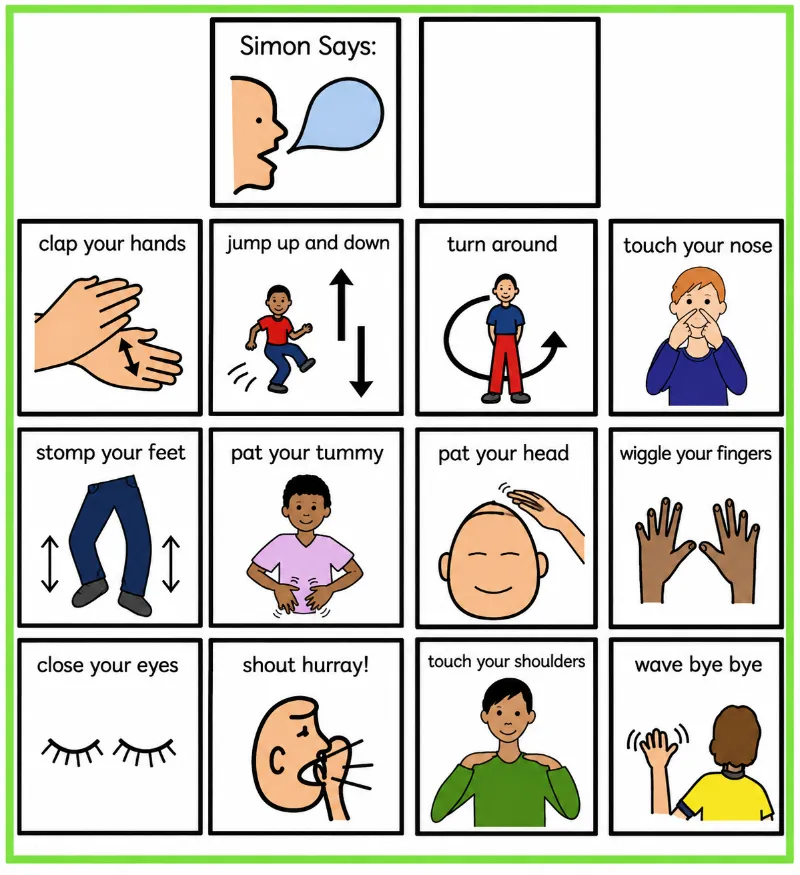
Simon Says packages listening skills inside a game, which keeps motivation high while you run trials.
Play a relaxed version at first. Skip the elimination rule and the tricky “I didn’t say Simon says” catches until the child is confident.
Model each action while you name it, then fade the model so they respond to your words alone.
Let the child be the leader sometimes. That builds expressive language and turn-taking in the same activity.
8. Treasure Hunt Activity
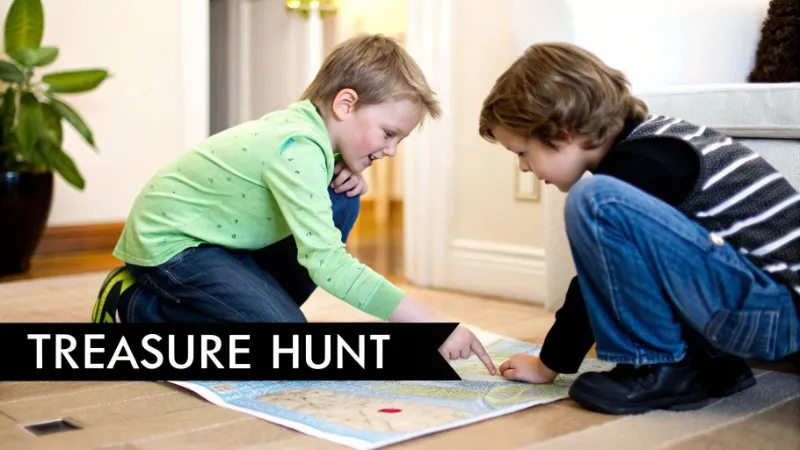
A treasure hunt gets a child moving and works well when sitting at the table is losing its appeal.
Hide preferred items or picture cards around the room. Give clues that match the child’s language level, from a simple point to a full prepositional phrase like under the blue chair.
This targets receptive language, motor planning, and scanning all at once.
9. Requesting Preferred Items
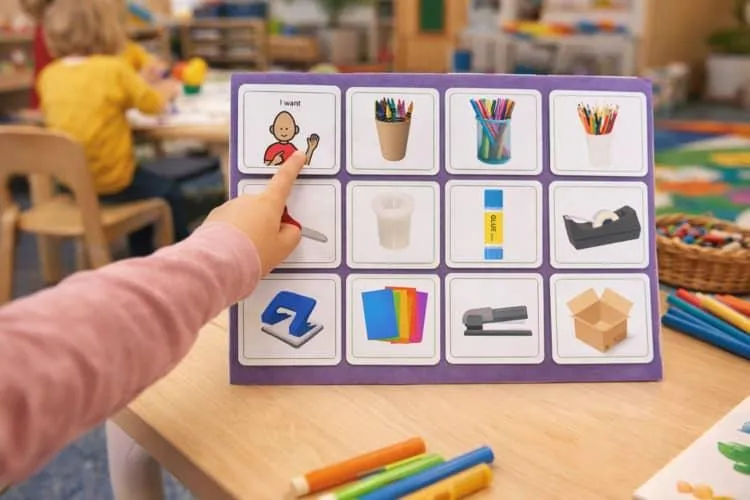
Teaching a child to request, or mand, is often the single highest-value skill in an early program.
Set up the environment so requesting is worth it. Put a favorite snack in a clear container the child cannot open, or hold a preferred toy just out of reach.
Accept whatever response mode the plan specifies, whether that is a word, a sign, a picture exchange, or a device tap.
Honor every request right away. Delayed delivery weakens the connection between asking and getting.
10. Choice-Making Activity
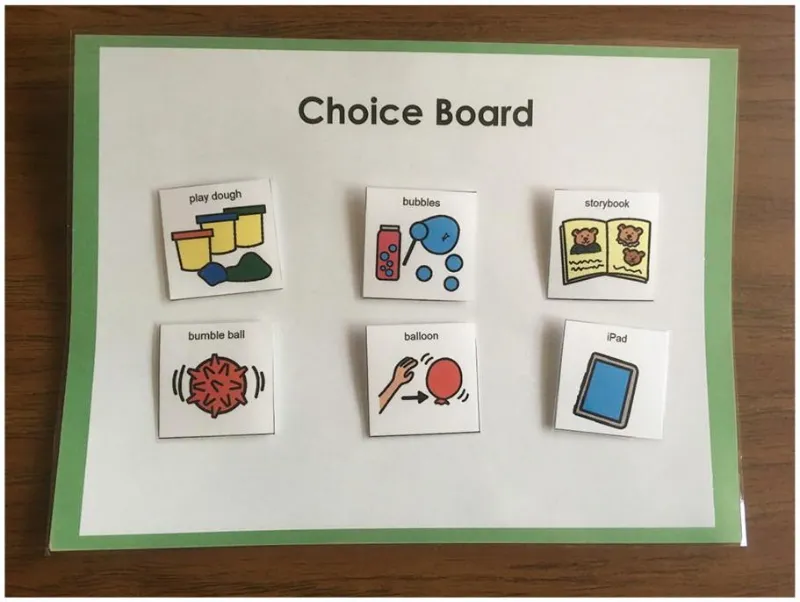
Choice-making gives the child real control, which often lowers problem behavior on its own.
Hold up two options and ask which one they want. Offer choices of snacks, toys, activities, or even which chair to sit in.
Deliver exactly what they chose, even if you suspect they picked at random. Following through is what teaches the meaning of the choice.
11. Object Labeling Activity
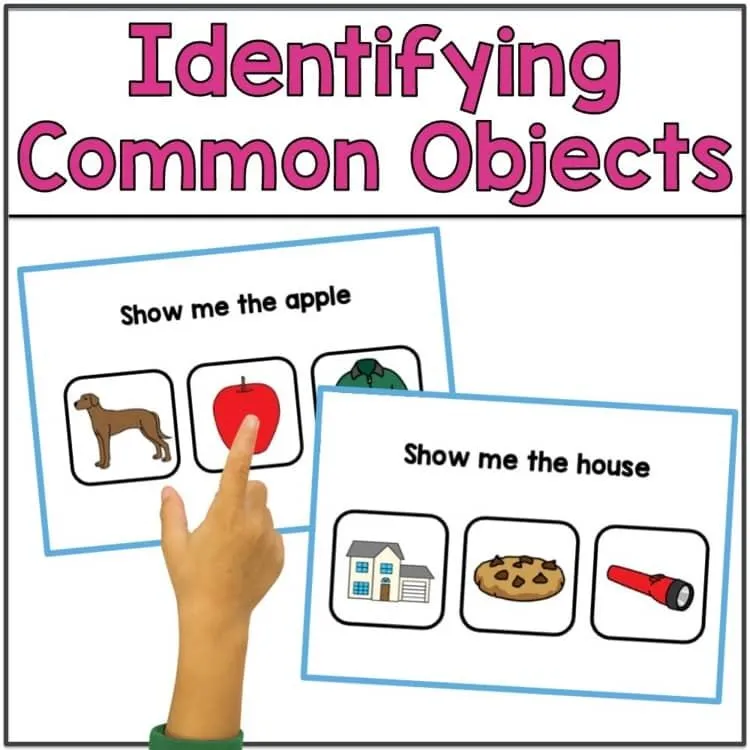
Labeling, or tacting, turns the child’s growing vocabulary into expressive language.
Hold up a familiar object and ask what it is. Start with high-interest items rather than generic flashcards.
Use an echoic prompt when needed. Say the word, let the child repeat it, then ask again a moment later without the prompt.
Rotate items into everyday moments. Labeling the snack they are already eating generalizes faster than labeling a card.
12. Turn-Taking Games
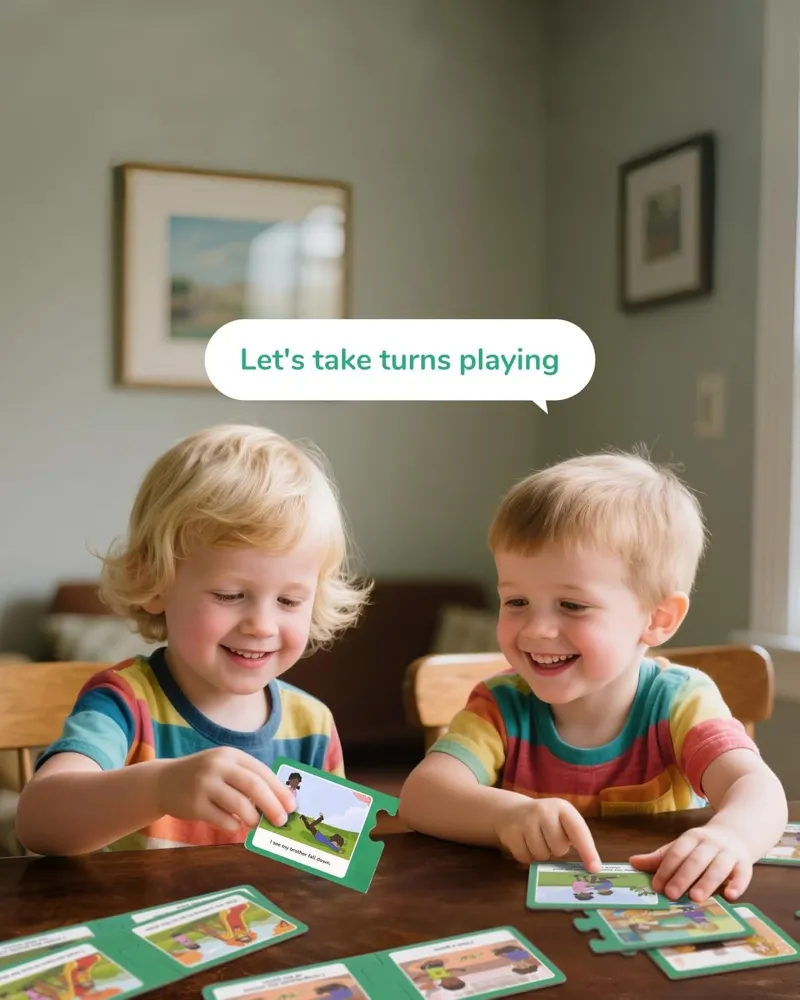
Turn-taking underpins nearly every peer interaction a child will have later.
Choose games with short, obvious turns. Stacking blocks, rolling a ball, popping bubbles, and simple board games all fit.
Narrate the structure out loud. Say my turn, then your turn, and pair it with a visual cue if the child needs one.
Keep waits very short at first, then stretch them gradually as tolerance grows.
13. Sharing Practice
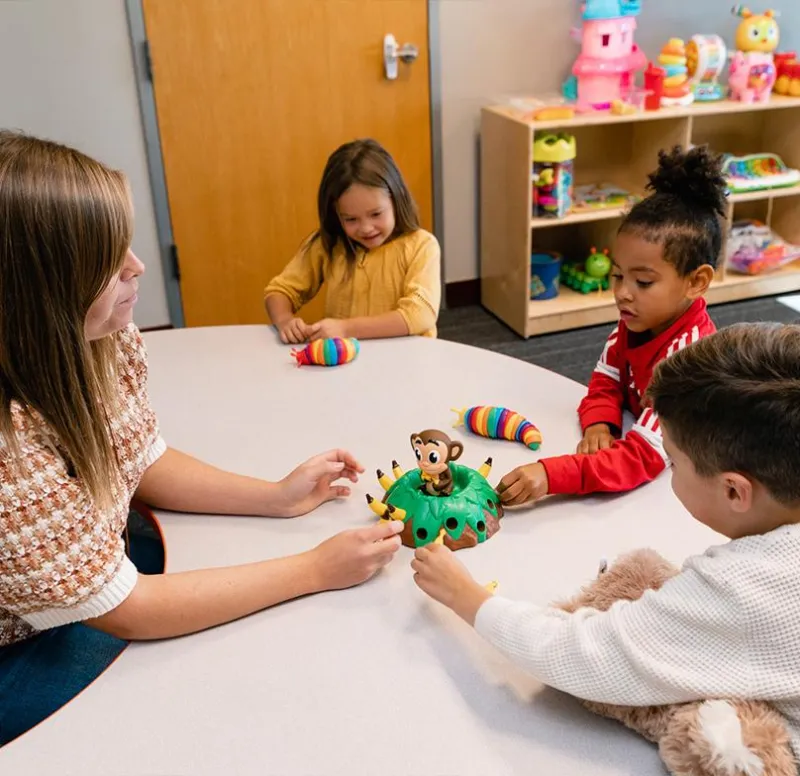
Sharing is harder than turn-taking because the child gives up an item without an immediate return.
Start with materials the child likes but does not love. A prized item is the wrong place to begin.
Practice both giving and receiving. Ask for one piece, thank them warmly, then hand it back quickly so sharing predicts good things.
Reinforce the act of handing over, not the child’s facial expression while doing it.
14. Greeting Practice
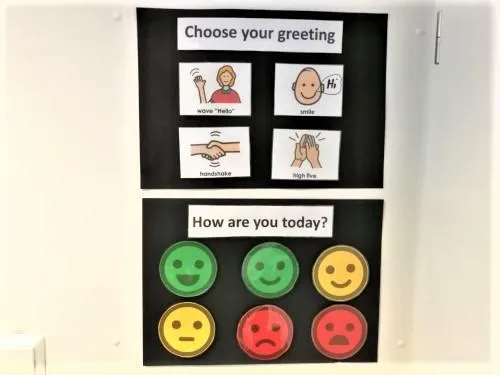
Greetings are functional, socially valuable, and easy to run at natural moments.
Practice hello and goodbye at session start and end, and add waves, high fives, or name use depending on the target.
Run some trials with other people in the home or clinic so the skill does not attach to you alone.
15. Emotion Matching Activity
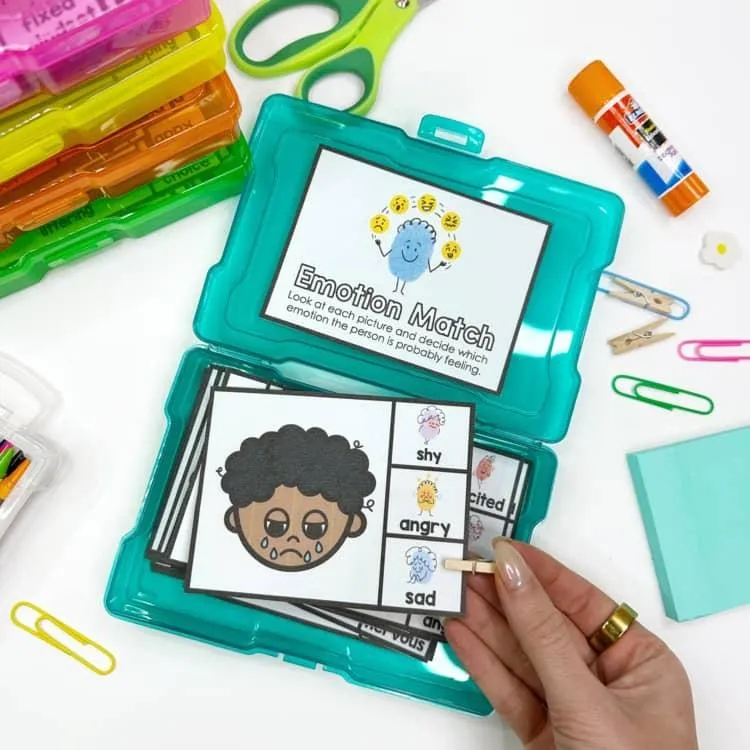
Emotion matching starts building the visual discrimination behind later perspective-taking work.
Use identical pairs of face cards showing happy, sad, angry, and surprised. Have the child match one to another before naming anything.
Photographs of real faces tend to generalize better than cartoons, though cartoons can be a useful starting point.
16. Emotion Identification Activity

Once matching is solid, move to naming emotions and connecting them to situations.
Show a face and ask how the person feels. Then extend it with short scenarios, such as her ice cream fell, so how does she feel.
Label emotions during real moments too. Naming a child’s own frustration in the moment is powerful teaching.
Keep the set small. Four emotions taught well beat twelve taught shallowly.
17. Token Board Activity
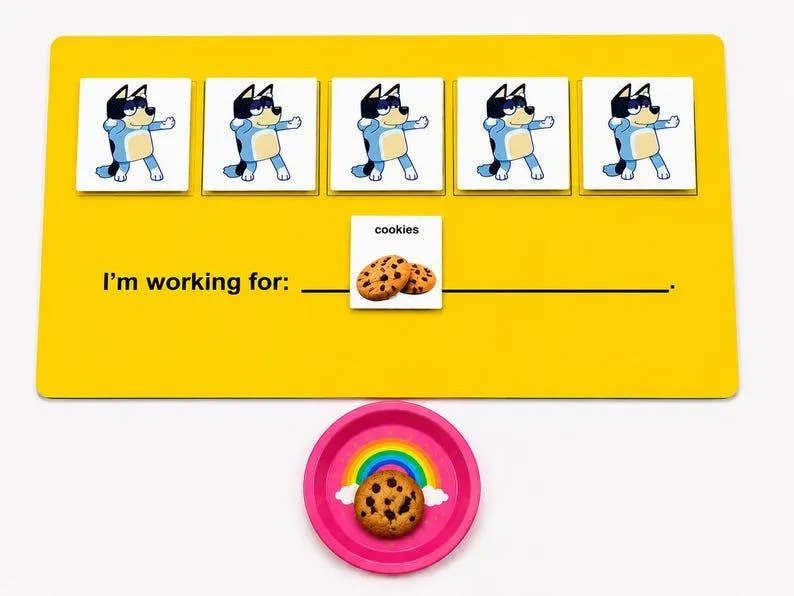
Token boards make reinforcement visible and stretch a child’s tolerance for working before a payoff.
Start with a short board, maybe three tokens, and let the child pick the reinforcer before you begin.
Deliver each token immediately after the target response and pair it with specific praise about what they did.
Increase the token requirement slowly. Jumping from three to ten too fast usually causes a spike in problem behavior.
18. First-Then Board Activity
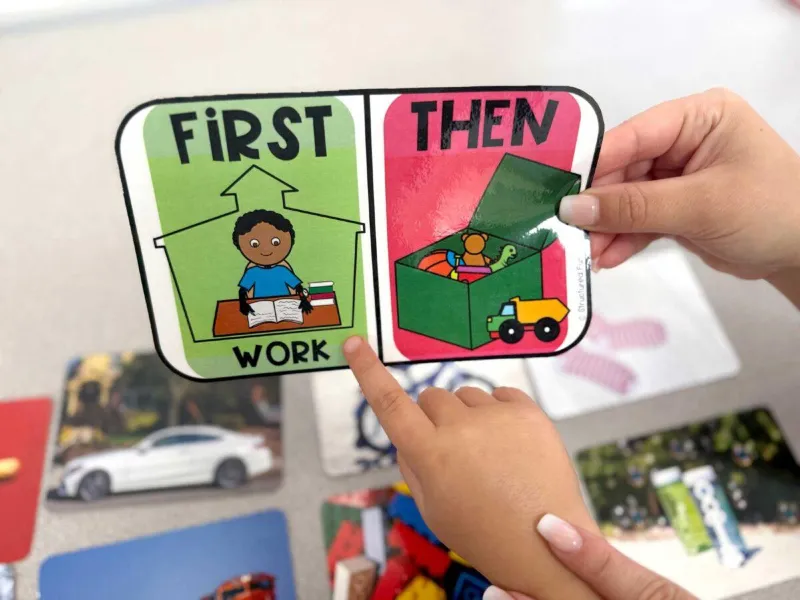
A first-then board reduces uncertainty by showing the child exactly what is coming next.
Place a picture of the work task in the first slot and a picture of the preferred activity in the then slot.
Say it out loud as you point. First puzzle, then bubbles. Then follow through the moment the task is done.
This is one of the fastest tools for smoothing transitions in and out of demand tasks.
19. Visual Schedule Activity
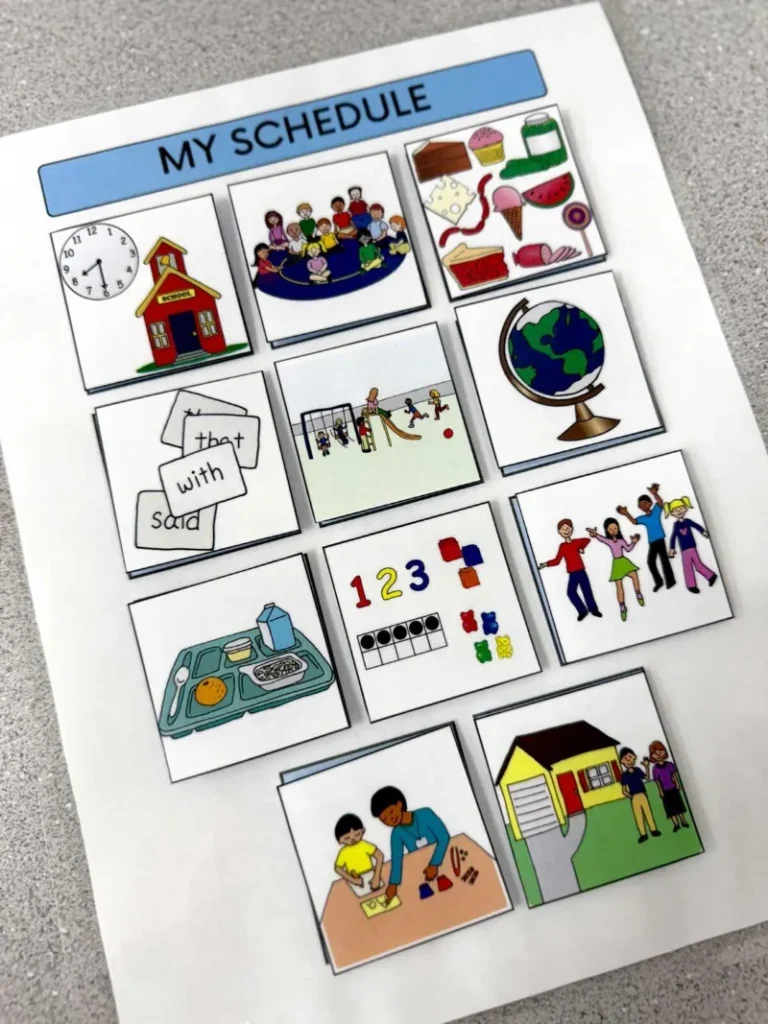
A visual schedule extends the same logic across a whole session or routine.
Line up three to five picture cards in order. Have the child remove or flip each card as that activity finishes.
Build in a preferred item between demands so the schedule predicts good things as well as work.
20. Fine-Motor Sorting Activity
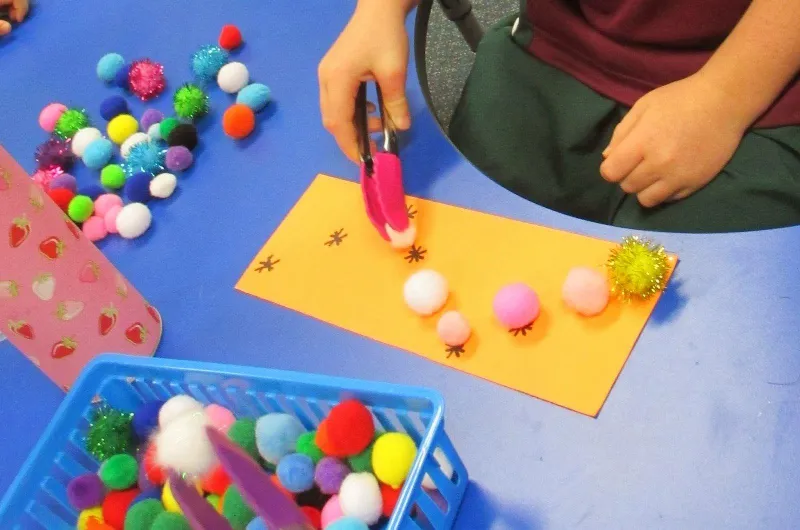
Sorting with tools strengthens the hand muscles a child needs for writing, dressing, and eating.
Give them tongs, tweezers, or a large spoon and ask them to move pom poms, beads, or dry pasta between containers.
Add a sorting rule by color or size once the motor part is comfortable.
Watch for frustration. If the tool is too hard, switch to a bigger one rather than pushing through.
21. Puzzle Activity
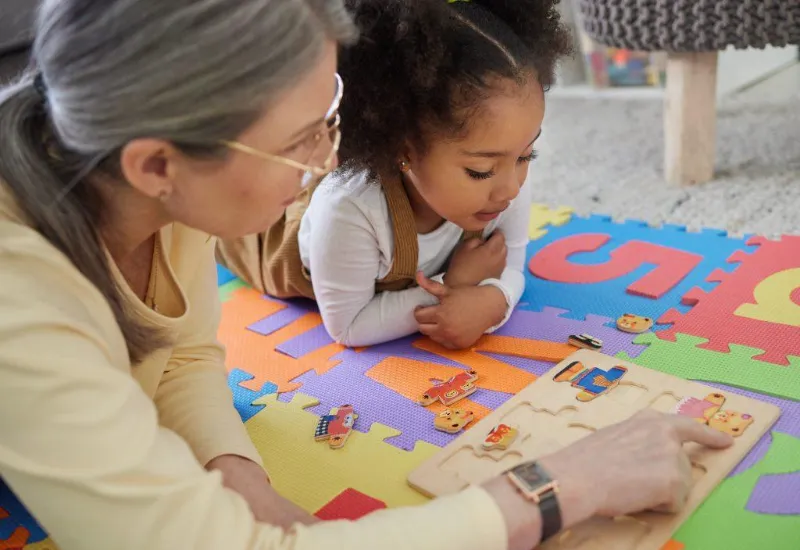
Puzzles teach persistence, spatial reasoning, and task completion with a built-in natural ending.
Match the piece count to the child’s current level. Chunky knob puzzles for beginners, interlocking puzzles as skills grow.
Try backward chaining. Complete the puzzle yourself except for the last piece, let the child finish it, then leave out two pieces next time.
22. Building With Blocks
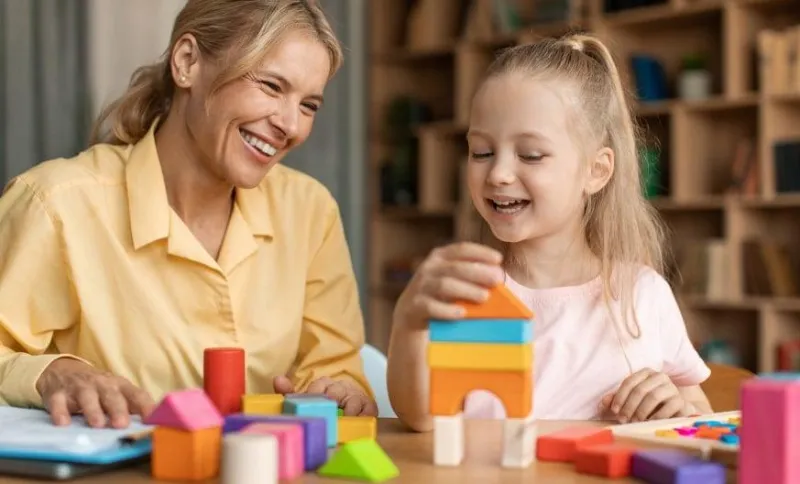
Block play supports imitation, following directions, and early joint attention.
Build a simple three-block tower and ask the child to make one like yours. Increase the complexity as their imitation improves.
Add color or pattern requirements later, such as red on the bottom and blue on top.
Let some sessions be purely free play. Unstructured block time is where a lot of spontaneous language shows up.
23. Hand-Washing Routine
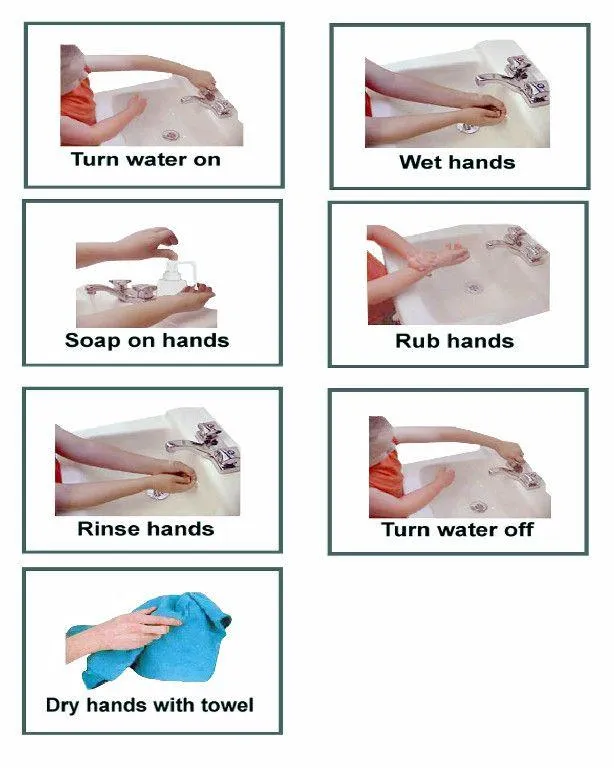
Hand washing is a daily living skill that pays off immediately at home and at school.
Break it into clear steps. Turn on water, wet hands, pump soap, scrub, rinse, dry, turn off water.
Post a picture sequence at the sink and teach with forward or backward chaining depending on the plan.
Track which steps the child does independently so progress stays visible even when the whole chain is not mastered.
24. Clean-Up Routine
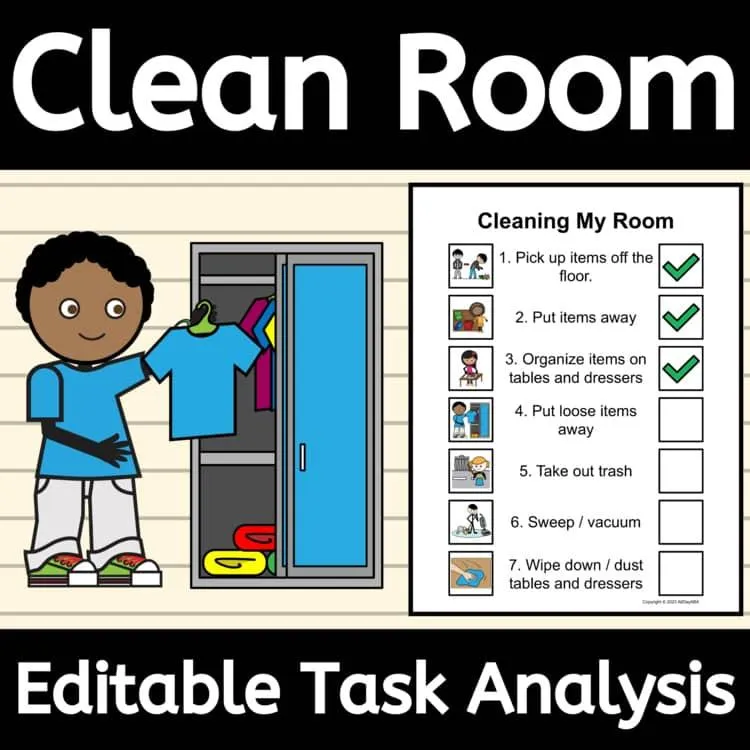
Clean-up teaches following directions, sorting, and completing a task from start to finish.
Give a clear signal that clean-up is starting, like a song or a two-minute warning, so the transition is predictable.
Label bins with pictures so the child knows where each item belongs without asking.
Keep the first attempts tiny. Putting away three items counts as a success worth reinforcing.
25. Simple Food Preparation Activity
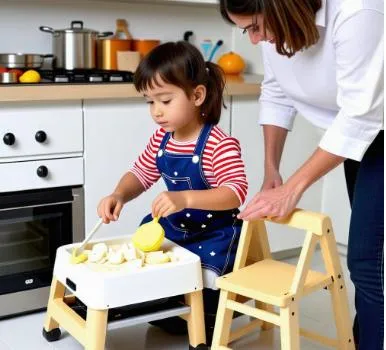
Food prep combines sequencing, motor skills, and a naturally reinforcing outcome the child gets to eat.
Start with no-cook tasks. Spreading butter on toast, pouring cereal, stirring yogurt, or assembling a sandwich all work.
Use a visual recipe with one picture per step and prompt from behind so the child stays oriented to the materials.
Always check allergies and food restrictions with the family before you begin.
How to Choose the Right RBT Activity
The best activity is the one that hits a goal in the treatment plan while keeping the child engaged. Start there, not with the activity that looks the most fun.
Check the child’s current skill level first. An activity that is too easy invites boredom, and one that is too hard invites escape behavior. Aim for a task the child can do with light prompting.
Consider attention span honestly. A child who tolerates two minutes at the table needs short, high-energy activities, not a twenty-piece puzzle.
Factor in preferences. Running a matching program with dinosaur cards instead of generic shapes costs nothing and often doubles participation.
Think about the setting. Some activities need a table and a quiet room. Others work fine on the floor, in the car, or during a grocery trip, which is exactly where generalization happens.
Watch the data. If a child is not progressing after several sessions, the issue may be the activity format rather than the skill itself.
Finally, stay inside your role. RBTs implement the plan the BCBA designs. When you want to add or change a target, bring it to your supervisor rather than adjusting on your own.
Frequently Asked Questions About RBT Therapy Activities
How long should each RBT activity last?
It depends entirely on the learner. Many young children do best with three to five minute blocks rotated frequently, while older or more established learners can sustain ten to fifteen minutes. Watch for early signs of disengagement like looking away, fidgeting, or pushing materials, and switch before behavior escalates.
Can RBTs create their own therapy activities?
RBTs can choose materials and formats that make a program engaging, but the goals, targets, and teaching procedures come from the BCBA. If you think a new activity would work well for a client, propose it during supervision so it can be added to the plan properly.
What do I do if the child refuses an activity?
Refusal is information, not defiance. Check whether the task is too hard, the reinforcer is too weak, or the child needs a break. Try lowering the demand, offering a choice between two tasks, or pairing yourself with preferred items before returning to the work.
Do I need special materials for these activities?
Almost none of them require anything specialized. Household items, printed picture cards, and basic toys cover most of this list. Using the child’s own belongings often teaches better than store-bought therapy kits because the skill transfers directly to daily life.
How do I know if an activity is actually working?
Look at the data across sessions rather than a single day. Rising independent responses and falling prompt levels mean the activity is doing its job. Flat or declining data for several sessions is a signal to bring the program to your supervisor.
How can I help skills generalize outside of session?
Run the same skill with different materials, different people, and in different settings. Practice greetings with a parent, not just with you. Share simple versions of the activities with caregivers so the child gets practice between sessions.
Final Thoughts
Good RBT sessions rarely depend on fancy materials. They depend on clear targets, fast reinforcement, and activities matched to where the child actually is right now.
Pick two or three from this list to try next week. Run them consistently, watch the data, and adjust with your supervisor as the child grows.